Inside the Role of a Slot Coordinator

If you ask Jamie Whyte what a typical day as a coordinator looks like, the first thing he’ll tell you is that no two days are ever quite the same.

Working closely with airports and airlines, coordinators sit at the centre of a constantly evolving aviation landscape, balancing demand, capacity and operational requirements to help make the most effective use of airport infrastructure.

“It’s still very much a demand-based role,” Jamie explains. “You’re looking at capacity, understanding demand and working out how everything fits together.”

A typical day can involve analysing schedules, reviewing requests, communicating with stakeholders and responding to changing operational needs. It requires a mix of analytical thinking, problem-solving and relationship management, as coordinators work with multiple parties to understand constraints and identify solutions.

For Jamie, one of the most rewarding aspects of the role is the variety.

“There’s so much to learn. Aviation is such a huge industry with so many different fields and specialisms. You’re constantly learning about something new.”

That exposure provides a unique perspective on the industry. Coordinators work with airports of different sizes, airlines with varying operational requirements and regulatory frameworks that continue to evolve, making every day a learning opportunity. The role also offers a level of flexibility that Jamie values highly.

“In my previous role, I spent much more time in the office. The flexibility here is huge for me. I can plan my time around travel and work in a way that really suits me.”

Despite playing an important role within the aviation ecosystem, coordination remains a career path many people have never heard of.

“I think a lot of people don’t realise that coordinators exist. I didn’t either.”

Yet the skills developed in coordination can open the door to a wide range of opportunities across the industry.

“The good thing about coordination, and with ACL being such a well-known company in our field, is that it opens a lot of different opportunities.”

Former coordinators have gone on to careers in airline scheduling, airport capacity management and business development, taking with them a deep understanding of how different parts of the aviation industry work together.

For anyone considering a career in coordination, Jamie recommends gaining exposure to aviation wherever possible.

“Try and get some experience in aviation, even if it’s minimal. There are so many acronyms, so much jargon and so many different areas of the industry to understand. Getting a foot in the door somewhere gives you a good foundation.”

For Jamie, that’s what makes the role so interesting. It’s a career that combines analysis, collaboration and continuous learning, while offering a front-row seat to the challenges and opportunities that shape global aviation every day.

Use it or lose it at Sydney Airport where slot utilisation exceeds 90%


Nine out of ten scheduled take-off and landing slots at Sydney Airport were operated in the six months to March 28, according to new data from slot manager ACL Asia Pacific.The Northern Winter 2025 (NW25) end of season report from ACL reveals that total utilisation of slots allocated for Australia’s busiest airport was 95%.

This figure was calculated by combining the 90% of allocated slots flown with the 5% of slots airlines cancelled due to circumstances beyond their control such as war and weather.

Jetstar, Virgin and Qantas, the biggest users of Sydney Airport, operated at close to all their allocated slots, maintaining usage rights for the NW26 schedule, which starts in late October.

It is the first time such detailed slot usage data has been publicly released for any of the world’s major airports, part of the Australian Government’s push to bring transparency to slot management and enforcement practices at Sydney Airport.

The number of operated flights were in some cases heavily impacted by the US-Israel war with Iran through March, when airspace across the United Arab Emirates, Qatar and other Middle Eastern countries closed due to the conflict.

In such cases, impacted airlines – notably Emirates, Etihad Airways, Qatar Airways, Qantas and Virgin – were given slot usage dispensation, allowing them to retain the unused slots for next season.

Airlines that consistently breached the 80:20 ‘use it or lose it’ rule* during the period, without a valid reason, lost the automatic right to that slot in NW26.

Most airlines operated the vast majority of their slots and had retention rates of more than 95%.

At the other end of the spectrum, Tianjin Airlines retained just 33% of its slots, Hong Kong Airlines 71%, and China Eastern Airlines 76%.

On time performance

More than 25% of operated flights missed their slot (a 15 or 30 minute window to either take-off or land depending on sector length) over the period.

Most of these flights were late, potentially disrupting the airport logistics and passenger flow.

International flights were more likely to be on time with 83% of flights landing or taking off within their allocated slot window, while domestic on slot movements were 72%.

The major reason for missing slot windows was airlines arriving late due to consequential delays from previous sectors.

Comment from Darren Batty, Coordination Manager – Asia Pacific, ACL

“Airports need confidence that every available movement is being used effectively. ACL’s approach delivers strong utilisation and operational performance while preserving capacity for future growth – a key priority for airports across Australia,” said Batty.

“At Sydney, we continuously refine how slots are used – aligning schedules, clearing waitlists and responding to operational changes in collaboration with airlines, Sydney Airport and Airservices Australia to deliver strong utilisation and ensure the system remains responsive to demand so that there’s still available capacity for airline expansion.”

Click: Northern Winter 2025 end of season report.

*The ‘80:20 rule’ is the global benchmark for slot management. Slots are allocated every six months for the so-called northern summer and winter seasons and an airline must use their allocated slots at least 80% of the time to ensure they retain them at that airport for the next equivalent season. Either use it or lose it.

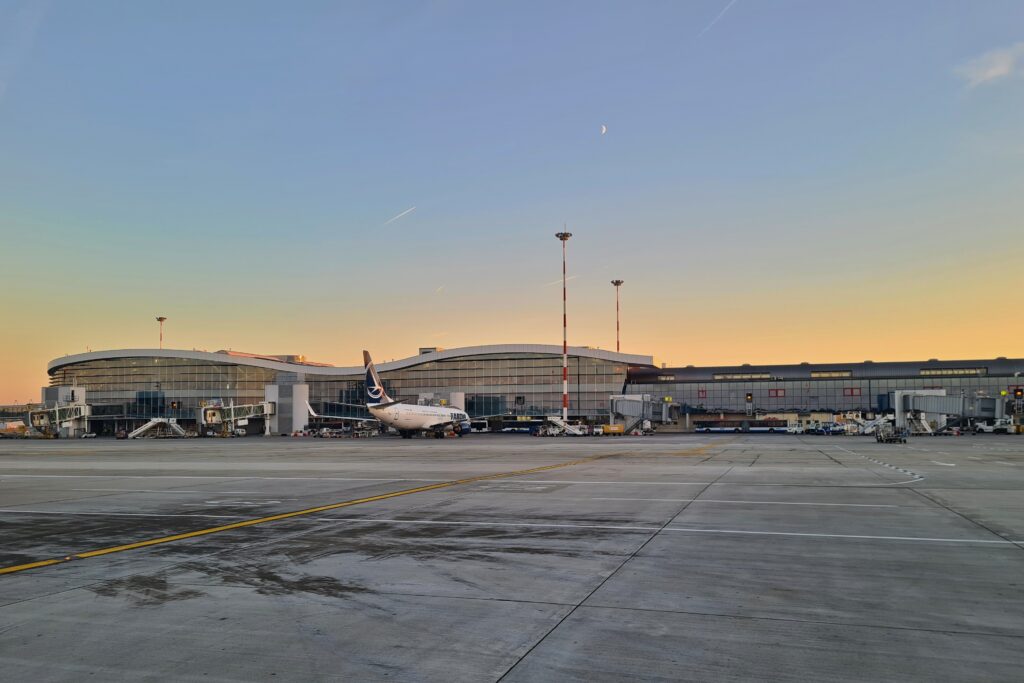
ACL reaches 80 airport milestone with Bucharest coordination agreement

Airport Coordination Limited (ACL) has reached a significant global milestone with the signing of Bucharest Henri Coandă International Airport (OTP) as the 80th airport in its worldwide portfolio, marking a defining moment in the company’s continued international expansion.

Under a new multi‑year agreement commencing 25th October 2026 for the Winter 26 season. ACL will provide full Level 3 coordination services at Bucharest, supporting one of Central and Eastern Europe’s fastest‑growing airports as it manages increasing demand and plans for its next phase of development. The agreement represents both a significant step in Bucharest’s operational maturity and a landmark moment in ACL’s continued international growth.

Bucharest Henri Coandă International Airport is Romania’s principal international gateway and the country’s busiest airport, handling 17,7 million passengers and 127,7 aircraft movements in 2025. Passenger numbers and aircraft movements have grown steadily in recent years, placing increasing pressure on available capacity. Uniquely, the airport is moving directly from an uncoordinated airport into full Level 3 coordination, having not previously operated under facilitation or formalised data‑collection processes, a transition that marks a significant step change in operational maturity and places particular importance on experience, independence, and proven capability.

The introduction of Level 3 slot coordination represents a fundamental upgrade in how Bucharest operates. Until now, airlines have largely scheduled flights independently, with limited central coordination of how demand aligns with runway, terminal and stand capacity. As traffic has grown, this can lead to congestion during peak periods and less efficient use of infrastructure.

Under Level 3 coordination, all airlines are required to obtain an approved airport slot before operating, with allocations managed independently by ACL in line with EU Regulation 95/93 and globally recognised IATA standards.

This introduces a structured, airport-wide planning process and delivers several immediate benefits:

  • More efficient use of existing infrastructure – Every movement is aligned with declared airport capacity, ensuring optimal use of runways, stands, and terminal resources.
  • Reduced congestion and improved punctuality – Demand is balanced across the day, easing peak pressure and supporting more reliable operations.
  • Fair and transparent access for airlines – Slots are allocated according to internationally agreed rules, ensuring equal treatment of all carriers.
  • Greater operational predictability – The airport moves from reactive scheduling to a coordinated seasonal plan, improving planning for staff, resources and services.
  • A strong foundation for sustainable growth – Capacity can be managed effectively as demand increases, without compromising performance.

This transition effectively introduces a capacity management system for the entire airport, where every flight is planned in advance to ensure infrastructure is used efficiently at all times. For passengers, this means fewer delays and a smoother experience; for airlines, greater certainty; and for the airport, stronger control over its operations and future growth.

ACL’s appointment reflects OTP’s confidence in the company’s ability to support airports at pivotal stages of development. With a global portfolio now spanning 80 airports, ACL will provide transparent, fair and operationally robust slot allocation, helping Bucharest optimise its existing capacity while laying the groundwork for future growth.

Bogdan Mîndrescu, CEO Bucharest Airports said:

“We are delighted to partner with ACL and to become its 80th coordinated airport worldwide. This milestone reflects both the scale of ACL’s global expertise and Bucharest’s commitment to adopting international best practice.

The implementation of Level 3 slot coordination will significantly strengthen how we manage airport capacity, enabling more efficient use of infrastructure, improved punctuality, and a better experience for passengers and airlines alike.

It provides us with a strong and reliable foundation for future growth.”

Neil Garwood, Chief Executive Officer at ACL, said:

“We are delighted to welcome Bucharest Henri Coandă International Airport as the 80th airport in ACL’s global network. This is an important partnership, not only because of Bucharest’s scale and growth, but because it represents a decisive step into coordination at a time of increasing demand. Airports rarely jump straight into full coordination, and doing so successfully requires experience, independence and trust. We are proud that Bucharest has chosen ACL to support this transition and to help lay the foundations for its continued growth and connectivity.”

35 Years of ACL

Today is 35 years since Airport Coordination Limited was formed as the world’s first independent airport slot coordinator.

Founded in 1991 in response to growing congestion and the need for a neutral, independent approach to slot coordination, ACL began by supporting a small number of UK airports and helping establish a fairer system for allocating scarce capacity.

Over the decades, we have grown in tandem with the aviation industry, from a team of just ten to nearly fifty specialists today. Alongside PDC, we have paved the way for greater automation and improved reporting, culminating in the creation of our Online Coordination System (OCS). Designed to provide airlines with instant responses and avoid unnecessary delays, OCS is now used worldwide by over 30 coordinators, 300 operators, and up to 1,000 users.

The coordination of the London 2012 Olympic Games marked the start of ACL’s work in Special Event Coordination. Since then, ACL have been the coordinator of choice for a multitude of global events, including the UEFA Champions League, Six Nations rugby, G20, NATO Heads of State meetings, the FIFA World Cup, the Hajj pilgrimage, UNFCCC COP and CHOGM. In 2014, ACL International was established, enabling us to expand our coordination services globally while maintaining the integrity of our non‑profit work in the UK.

ACL now supports nearly 80 airports globally, helping partners navigate increasingly complex operational and regulatory environments. From our offices around the world, our teams work closely with industry stakeholders, contributing to the development of legislation aimed at delivering balanced and effective outcomes for all.

CEO Neil Garwood says “Reaching 35 years feels a little like moving from youth into a confident middle age, with the benefit of experience alongside our sense of purpose. What matters most to us are the airports and airlines we serve, of every size, who rely on effective slot coordination. We’re proud of what we’ve helped our partners achieve over the years and remain focused on supporting the industry through the challenges that lie ahead.”

As we celebrate 35 years, we remain grateful of the trust placed in us by airports, airlines, and industry partners – and of the people whose expertise and commitment continue to drive our company and our industry forward.

ACL publishes sixth consultation on the Misuse of Slots Enforcement Code

The consultation is now closed and we are reviewing responses with a view to updating the Code for issue during the Winter season.

Airport Coordination Limited (ACL) has published a consultation on proposed updates to the Misuse of Slots Enforcement Code. The Code sets out how ACL applies the enforcement provisions of the Airports Slot Allocation Regulations at coordinated UK airports.

The Enforcement Code supports the fair and transparent use of airport capacity by setting out how different types of slot misuse are addressed under the regulatory framework. This consultation includes proposed amendments to update regulatory references, clarify definitions and suggest additional examples of misuse within the Code.

This latest review considers the Code’s effectiveness from its application and reflecting feedback from airports, airlines and other stakeholders. The consultation provides an opportunity for interested parties to comment on the proposed changes.

How to Respond

The consultation has been extended to 31 May 2026.
Full details of how to respond are included in Section 4 of the consultation document.

Consultation Documents

Consultation Document

Appendix 1

Appendix 2

Stakeholders seeking further information can contact ACL at: consultation@acl-uk.org 

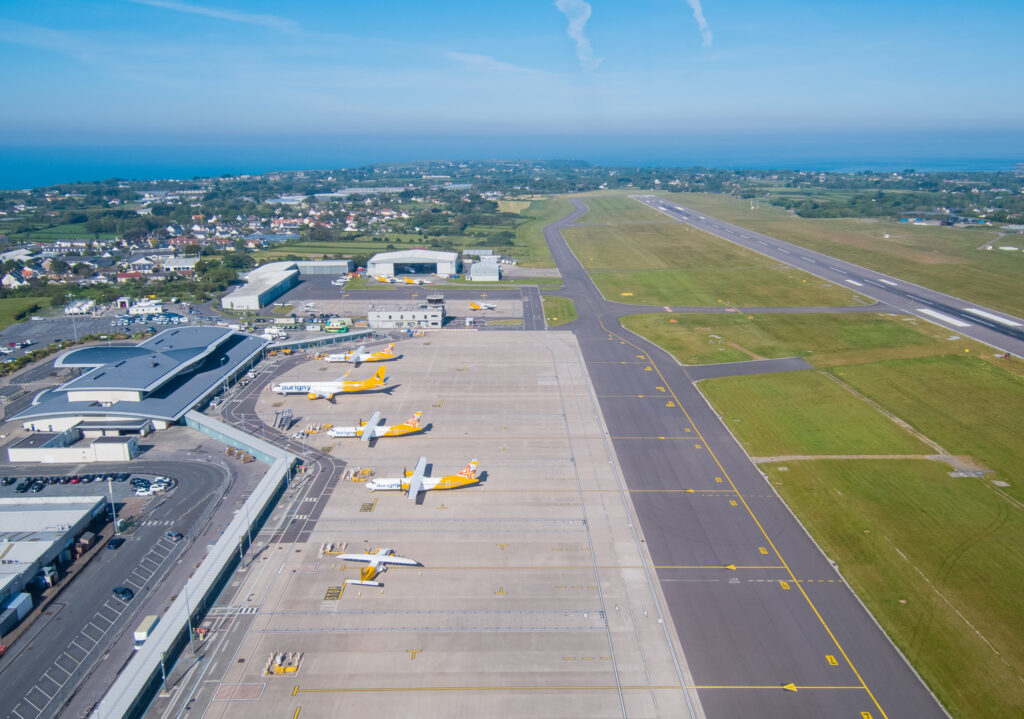
Guernsey Airport Joins Forces with Airport Coordination Limited in New Data Collection Partnership

Airport Coordination Limited signs a three-year agreement to deliver Level 1 data collection services, supporting Guernsey Airport’s long-term growth and regional connectivity.

Airport Coordination Limited (ACL) is pleased to announce a new partnership with Guernsey Airport (GCI), commencing 1 October 2025. Under this three-year agreement, ACL will deliver Level 1 data collection services, supporting Guernsey Airport’s operational planning and future growth.

Guernsey Airport is a vital regional gateway connecting the Channel Islands to the UK and Europe, serving 700,000 passengers and around 29,000 aircraft movements in 2024. As the airport looks ahead to the future, it is focused on enhancing the passenger experience, supporting route development, and increasing commercial revenue.

ACL, with its proven expertise in data collection and facilitation services, including its longstanding support for Jersey Airport, is well positioned to assist Guernsey in achieving these goals by providing operational insights that optimise capacity and inform strategic planning.

Richard Thomasson, Guernsey Airport Director, said:

“Our partnership with ACL will provide greater insight into passenger and aircraft movements, allowing us to better understand airport capacity and improve operational efficiency accordingly.

“We are pleased to join ACL’s ever-growing network of airports across the British Isles, including many in our own route network. We look forward to benefitting from the increased coordination this will bring.”

Neil Garwood, Chief Executive Officer at ACL, said:

“We’re delighted to welcome Guernsey Airport to ACL’s growing network of UK and Channel Islands airports. This partnership is a celebration of the Channel Islands’ vital role in British aviation, and we’re proud to support Guernsey as it strengthens its connectivity and prepares for future growth. ACL has provided facilitation services to Jersey Airport for many years, and we’re excited to now extend our expertise to Guernsey. Together, we’re helping to build a more integrated and resilient regional aviation landscape.”

About ACL

Airport Coordination Limited is the world’s first independent airport slot coordinator. Based near London Heathrow Airport in Staines-upon-Thames, ACL provides world-leading coordination, schedule facilitation, and data collection services to airports around the world. With Guernsey Airport joining its network, ACL now supports nearly 80 airports globally, solidifying its position as the largest independent airport slot coordinator in the world.

Media Contact

Alison Chambers
Emerald Media
alison.chambers@emeraldmedia.co.uk


W25 SAL Distribution

All W25 SAL’s  have been issued. Please contact the coordinator if you have not received the message for a particular airport.

ACL wins slot management contract at Sydney Airport

SYD CEO, Scott Charlton and ACL CEO, Neil Garwood at Sydney Airport to announce the new slot manager ACL Asia Pacific

Award for global independent firm opens choice for airports in the region

ACL Asia Pacific, part of the Airport Coordination Limited group, is pleased to confirm its appointment as slot management provider at Australia’s Sydney Airport (SYD), effective 1 April 2025.  The award follows a competitive process initiated by the Minister for Infrastructure, Transport, Regional Development and Local Government.  It is a strategically important win for ACL, introducing a change of slot coordinator in Sydney for the first time.

As it works closely with airport operations personnel in readiness to go live at the beginning of April, ACL Asia Pacific will position its HQ in Sydney to be run by a dedicated country manager, complementing the group’s existing Auckland office.

For Sydney Airport ACL will deploy a bespoke version of the world’s leading slot management system, enabling it to deliver a greater visibility of slot holdings, for all airline users.

“We are excited to bring our best international practices to Australia’s largest commercial airport, with over 41 million passengers in 2024, as the world’s leading slot management provider,” said ACL CEO Neil Garwood. “We are committed to delivering effective and transparent slot management and will publish the slot information held in our database to ensure the best use of capacity.   Drawing on our extensive experience managing slots at nearly 80 airports worldwide, we’re committed to boosting efficiency with advanced automation and a faster, more responsive service that meets the evolving needs of Sydney Airport.”

Scott Charlton, Sydney Airport CEO, said:    

“The appointment of the Airport Coordination Limited group marks another step toward a more competitive, transparent, and efficient slot framework at Sydney Airport.  ACL brings extensive global experience which will benefit passengers, our airline partners, and future entrants.”

ACL Asia Pacific exhibiting at Routes Asia in Perth this month

Neil Garwood, CEO, and Denise Chapman, Commercial Manager at ACL International, will be attending and exhibiting at Routes Asia in Perth during March 25th to 27th.  ACL has identified further strong growth opportunities in Australia and the wider region and plans to use the Sydney Airport win as a springboard for future relationships, leading to the creation of more regional jobs.

Take a look at ACL- Asia Pacific’s dedicated website – www.ACL-apac.com.au


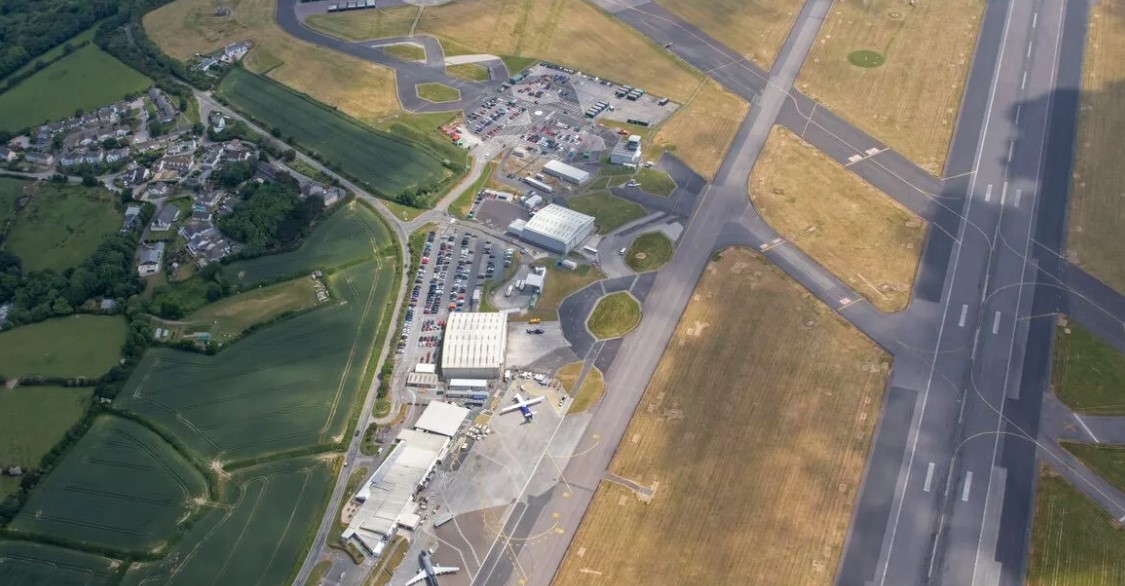
Cornwall Airport Newquay Partners with Airport Coordination Limited to Enhance Operations

Airport Coordination Limited (ACL) enters a three-year contract providing data collection services at Cornwall Airport Newquay

ACL is pleased to announce that it has signed a new three-year contract with Cornwall Airport Newquay (NQY), starting in December 2024. Under this agreement, ACL will provide data collection services, ensuring more efficient and seamless operations as Newquay continues to grow as a key regional hub.

NQY serves a mix of domestic and international routes, handling over 400,000 passengers and over 20,000 aircraft movements in 2023-24. As demand for regional and leisure travel continues to rise, the airport has become a key driver of economic growth and connectivity for Cornwall, making this partnership with ACL crucial to support its ongoing expansion and operational efficiency.

Amy Smith, Head of Commercial at Cornwall Airport Newquay, said,

“We’re excited to partner with Airport Coordination Limited as we work to expand our route network and enhance our operations. This collaboration comes at a crucial time, as demand for travel to and from Cornwall grows. ACL’s expertise in data collection and operational efficiency will support our mission to deliver a seamless experience for passengers and airlines alike, strengthening our position as a key regional gateway.”

Neil Garwood, Chief Executive Officer at ACL, said

“We are thrilled to begin our partnership with Cornwall Airport Newquay, an essential gateway connecting Cornwall and South-West England to the wider world. This three-year agreement reflects our shared commitment to optimise capacity while maintaining a personalised, high-quality experience for every passenger and airline. We are proud to support Cornwall Airport Newquay’s mission of improving connectivity and driving growth in this beautiful part of the UK.”

About ACL

Airport Coordination Limited is the world’s first independent airport slot coordinator. Based near London Heathrow Airport in Staines-upon-Thames, ACL provides world-leading coordination, schedule facilitation, and data collection services to airports around the world. With Newquay Airport joining its network, ACL now supports 76 airports worldwide, including 27 in the UK, solidifying its position as the largest independent airport slot coordinator in the world.

For more information, visit: www.acl-uk.org

Media Contact

Alison Chambers
Emerald Media
alison.chambers@emeraldmedia.co.uk

Royalty, World Leaders, Tight Deadlines & Limited Airport Capacity:

Inside the Art of Coordinating a Commonwealth Heads of Government Meeting

When world leaders gather for a meeting, the importance of smooth operations cannot be overstated. When Samoa was tasked with welcoming over 3,000 delegates and leaders for the 2024 Commonwealth Heads of Government Meeting (CHOGM) they contacted Airport Coordination Limited (ACL) to help manage their airport capacity to ensure the arrival and departure phase ran smoothly.

A High-stakes Puzzle:

The prestigious Commonwealth event presented a unique challenge for Faleolo International Airport (APW). With limited long- term parking bays, and only three contact stands, they were faced with a ‘drop-and-go’ model for most dignitaries. ACL’s on the ground team scheduled operations within these restrictions to ensure the airport continued to operate efficiently and in a way that provided sufficient contingency to accommodate changes on the day of operation.

How we Made it Work:

ACL’s experience managing complex international events such as COP climate summits, major sporting events, and King Charles’ Coronation, positioned them well for the challenge. Our involvement began months in advance of the CHOGM starting with an in-depth site visit to Faleolo International Airport and to meet with the organising committee. This visit included discussions with key stakeholders including representatives from the Samoan government, the Commonwealth, Air Traffic Control (ATC) and the airlines to identify potential challenges and prioritise solutions.

During the event, two senior members of the Coordination Team were on the ground in Samoa, they utilised their coordination experience to develop a parking, slot allocation and terminal model that optimised the use of limited airport space. A dedicated communication channel was established to facilitate real-time coordination between stakeholders, ensuring that any changes to flight schedules or other requests were addressed promptly.

“Your dedication to maintaining efficient operations, while prioritising the needs of dignitaries and delegates, has not gone unnoticed. The seamless coordination between airlines, airport authorities, and the organising committee reflects your exceptional organisational skills and professionalism.” – Donna Meredith – Air Traffic Services

Adaptability in Action:

Even with thorough planning, no large-scale event is without its challenges. CHOGM was no exception, with schedule changes and re-timing requests a regular occurrence. Technical issues with aircraft and unexpected schedule changes were inevitable, but ACL’s team remained flexible and responded quickly to remain on track.

Success in operations isn’t just about logistics however, it is about teamwork. ACL’s coordination with government bodies, ground handlers, airlines, and ATC helped address any disruptions swiftly. Even with multiple aircraft needing to park off-site at Pago Pago Airport, the team’s ability to manage effectively ensured a smooth operation.

The result?

An aviation operation that ran like clockwork. Despite the logistical constraints, CHOGM Samoa 2024 was a success. ACL’s ability to navigate complex situations, adapt to changes, and collaborate with stakeholders ensured that world leaders arrived and departed without issues.

“Your meticulous planning and ability to navigate the complexities of coordinating multiple high-profile flights have played a crucial role in ensuring the success of this important event.” – Donna Meredith – Air Traffic Services

With thanks

The collaboration between ACL’s team, the Samoan government, Samoan air traffic control, New Zealand air traffic control, airlines, and ground staff was what made this event a success. The professionalism, calm, and commitment shown by everyone involved was crucial to overcoming the logistical challenges that arose. Special thanks to Richard Cann, Jonathan Green and Fernando de Freitas who led the ACL team, as well as Fui Tupai Mau Simanu, who led the transport coordination group, and the tireless efforts of Yvonne Mariner, and the entire Samoan team. This event was delivered with lots of laughter, fun and good spirit. It could not have been the success it was without everyone’s dedication and collaborative spirit.