
“When capacity discussions take place, there’s often a lot of focus on growth. More flights, more routes and more aircraft movements.
What sometimes gets overlooked is that airlines don’t just need access to capacity. They need certainty around it.
Every airline schedule is part of a much larger network. Aircraft rotations, crew rosters, maintenance plans, passenger connections, freight movements and ground operations are all linked together. A disruption in one place can quickly ripple through the rest of the system.
That’s why uncertainty is so costly.
When airlines don’t have confidence in how an airport will perform, they start protecting themselves. They add buffers to sector lengths in schedules. They increase turnaround times. They build contingency into their operations because they know they may need it.
The problem is that every buffer comes at a cost. Aircraft spend less time flying economically and more time waiting. Asset utilisation falls. Efficiency decreases. Operating costs increase.
Good coordination helps reduce that uncertainty. It allows airlines to build schedules that they can realistically operate rather than schedules they hope to operate.
From an airport perspective, that’s incredibly important. Airlines are the airport’s customers, and like any customer, they value reliability. The more certainty an airport can provide, the easier it becomes for airlines to invest, grow and operate efficiently.”
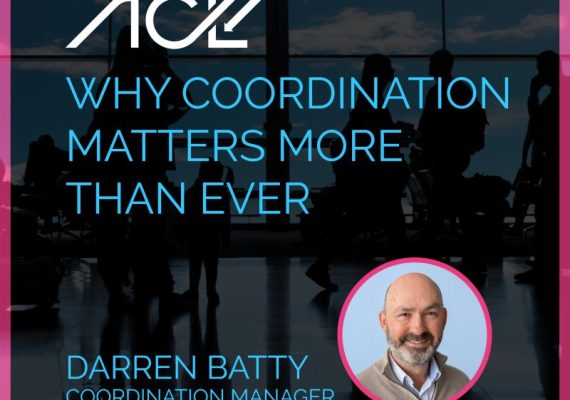
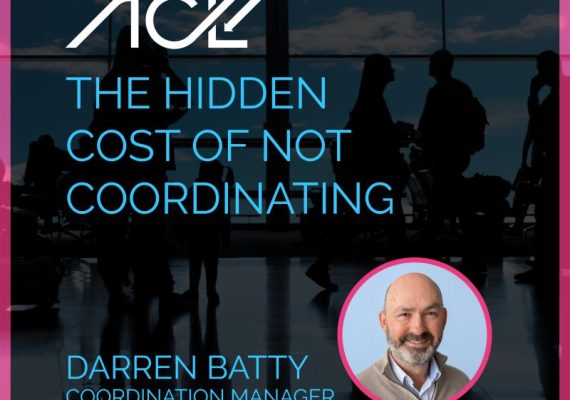
Darren Batty is the Coordination Manager for ACL Asia Pacific, leading slot coordination activities at Sydney Airport. With more than 25 years in the aviation industry, he works with airlines, airport operators, regulators, and industry stakeholders to optimise airport capacity, improve operational performance, and support sustainable growth.